Creating Family Traditions That Last
Some family traditions survive thirty years. Others quietly disappear after the second attempt. The difference usually has nothing to do with how meaningful the idea was, and everything to do with four practical ingredients.
Written by OurFather — notes from Canadian dads, for Canadian dads.
Why Most Traditions Die After Year Two
Most family traditions don't fail because the idea wasn't meaningful. They fail because they were too elaborate to repeat. A big annual trip, an all-day event, a meal that takes six hours to cook — these create a wonderful memory once, and then quietly become the thing nobody has energy to organize the following year. The tradition dies of exhaustion, not indifference.
The first attempt is usually the problem. Fathers tend to over-engineer the debut — a bigger gesture than they can sustain — which sets a bar the family can't clear again without more planning or money than the following year actually allows. A tradition that depends on everyone's schedule aligning, a rare venue, or a significant budget is a tradition that's already halfway to extinction.
The Four Ingredients of a Tradition That Actually Lasts
Traditions that survive a decade or more tend to share the same four traits, regardless of what the tradition actually is.
- Simplicity: it should take under an hour to plan, ideally with things already in the house.
- A fixed trigger: it's tied to a specific date or recurring event — the first snow, the night before school starts, a birthday — not an open-ended 'we should do this sometime.'
- Low cost and low effort: nothing that requires saving up, reserving a venue, or coordinating four other families' calendars.
- A role for the kids: they help run it, not just attend it, so it becomes theirs and not just something their father put on.
Starting One This Year
Pick a trigger that's already on the calendar rather than inventing a new date nobody will remember. The last Friday before school starts, the first cold morning, a specific holiday eve — anchoring the tradition to something that already happens every year does most of the remembering for you.
Start smaller than feels meaningful. A short shared coffee as part of an existing morning routine on a specific day of the week can become a real tradition faster than a planned outing, simply because it's easy enough to actually repeat. Then name it out loud — tell your kids 'this is our thing now.' Naming it is what turns a nice moment into an expectation.
An unnamed nice moment fades. A named tradition gets defended.
What Keeps It Alive After the First Few Years
The real test of a tradition isn't the first year — it's the year everyone's tired, the schedule's a mess, or the original reason for it has changed. Traditions that last are the ones a family keeps doing in the bad years too, even in a smaller version, rather than skipping and quietly letting it lapse. A Weekly Mission Review is a useful place to ask a blunt question once a year: is the tradition we started still happening, or did it quietly die a few months in?
Expect the tradition to change slightly as your kids grow — the four-year-old's version of it won't be the fourteen-year-old's version, and that's fine. What makes it last isn't a rigid format; it's the repetition itself becoming the meaning, and slowly handing your kids more ownership of it as they're able to take it.
If you want an easy place to test this out, the 4-Sunday Challenge is built around exactly this kind of small, repeatable commitment — four weeks is enough to find out whether an idea actually survives contact with real life. Inside OurFather's founding brotherhood, a few fathers compare notes each year on which traditions held and which quietly disappeared, which turns out to be one of the more useful conversations a father can have.
Frequently asked questions
- Why do most family traditions stop after a year or two?
- They're usually too elaborate to sustain — a big trip, a long event, or something dependent on everyone's schedule aligning. The first version sets a bar the family can't clear again without a lot of effort, so it quietly stops.
- What makes a family tradition last for decades?
- Four things: it's simple enough to plan in under an hour, tied to a fixed recurring date or trigger, low cost and low effort, and gives kids an active role rather than making them spectators.
- How do I start a new family tradition this year?
- Attach it to a date already on your calendar — a birthday, the first day of school, a holiday eve — start smaller than feels significant, and tell your kids out loud that this is now 'your thing,' which turns the moment into an expectation.
- Should a family tradition stay exactly the same every year?
- No. Traditions naturally shift as kids grow older and take on more ownership of them. What keeps a tradition alive is the repetition, not a rigid, unchanging format.
Keep reading
While you're here
Gift guides for this kind of dad
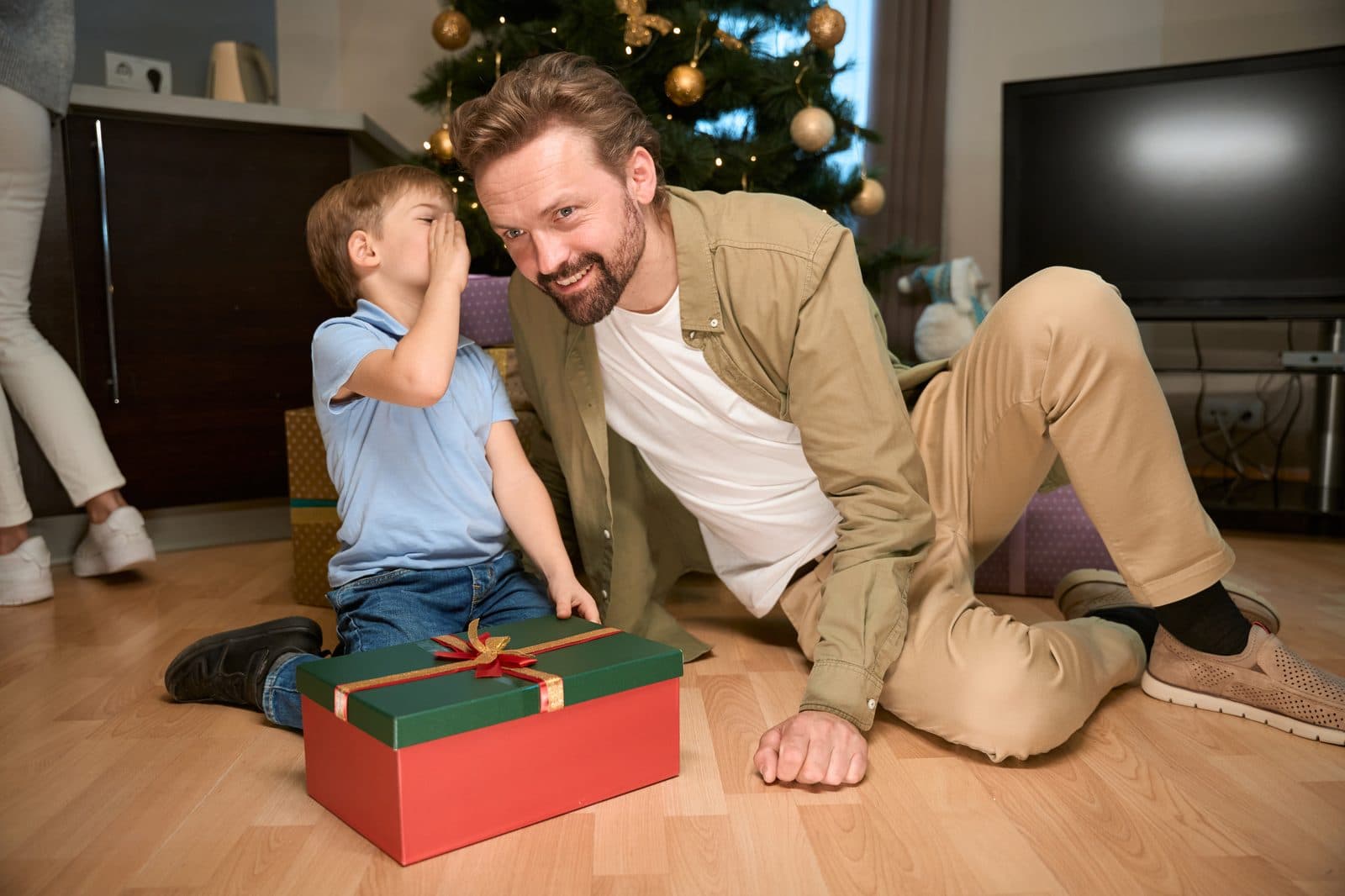
Christmas Gifts for Dad
Christmas gifts for dad that go past the tie-and-socks default, with stocking stuffers under $20 and splurges he'd never buy for himself.
See the picks →
Gifts for the Camping & Outdoors Dad
Gifts for the camping and outdoors dad, covering cookware, lighting, power, sleep comfort, and gear he'll actually pack on the next trip.
See the picks →
Gifts for the BBQ Dad
Real gift ideas for the dad who owns the grill — tools, upgrades, and consumables for the guy who already thinks he has everything he needs.
See the picks →