How to Be a Good Stepdad
Being a good stepdad isn't about replacing anyone or winning a competition you were never entered in. It's about becoming a steady, trustworthy presence in a kid's life at whatever pace that kid can actually accept, which is almost always slower than you'd like.
Written by OurFather — notes from Canadian dads, for Canadian dads.
The Job Nobody Explains to You Before You Start
You move in, or the wedding happens, and somewhere in there you're expected to know how to be a father figure to a kid who already has one, or had one, or is still sorting out what that word even means to them. Nobody hands you a manual. You love this kid, or you're getting there, and you also live under the same roof, pay some of the bills, and show up at the same parent-teacher conferences. It would be reasonable to expect that to come with some authority. It doesn't, not on day one, and trying to claim it early is the single most common way this goes wrong.
When a stepkid pushes back on a rule you set, or brings up their real dad in a way that stings, it can feel personal, like proof you haven't earned your place. It usually isn't about you at all. Kids protect their existing loyalties by instinct, even toward a father who isn't around much or isn't around at all. Reading that resistance as rejection, and pushing harder to be respected, tends to backfire. Reading it correctly, as a kid doing what kids do, is the first real skill of this job.
You don't earn a stepkid's trust by claiming a title. You earn it by being the same steady man every day, for long enough that the title stops mattering.
Why This Goes Sideways So Often
- Stepping into the disciplinarian role too early, before there's any relationship to back it up, which turns every correction into a power struggle instead of guidance from someone they trust.
- Treating being liked and being respected as the same project, when they run on different timelines. Respect is earned slowly through consistency. Trying to fast-track it by being the fun one usually just delays the real relationship.
- Competing with the biological father, whether he's present, absent, or somewhere in between, instead of simply being reliable on your own terms. A kid isn't choosing between two men. They're figuring out if this new one can be trusted.
- Undermining mom's parenting decisions in front of the kid to seem more involved or more reasonable, which puts the kid in the middle and costs you credibility with both of them.
- Forcing the word 'dad' or expecting hugs and affection on your timeline instead of the kid's, which reads as pressure and usually pushes the exact outcome you're trying to avoid.
What Actually Works
Back your wife's or partner's parenting decisions in front of the kids, even the ones you'd have handled differently. Have the disagreement later, privately, between the two of you. A united front matters more to a kid's sense of stability than getting your preferred rule enforced in the moment. Your job in year one isn't to run the household, it's to be dependable inside it. Be the adult who's around, who follows through on small things, who doesn't disappear when it gets hard and doesn't force closeness when it isn't there yet. That's a far smaller ask than becoming their father, and it's also the only path to becoming something real to them, whatever they end up calling it.
Let the labels sort themselves out. Some kids call a stepdad by his first name for years and mean it with total respect. Some eventually use 'dad' on their own, when nobody's asking them to. Either outcome can be a real relationship. Chasing the label instead of the substance behind it is how men end up with neither.
This kind of patience is hard to hold alone, especially when the household dynamics are more complicated than a straightforward biological family and there's no script to follow. That's exactly what a pod is useful for: other men who've navigated blended-family terrain and can tell you when you're pushing too hard versus when you're actually being avoided. The Weekly Mission Review gives you a place to name the specific, checkable thing you're working on this week, like backing a decision you disagreed with, or letting a quiet car ride stay quiet instead of filling it. If you want to test whether that rhythm helps before committing to anything, the 4-Sunday Challenge runs it for four weeks, one review at a time.
Frequently asked questions
- How long does it take to earn a stepchild's trust?
- There's no fixed timeline, and it's usually longer than a stepdad hopes for. It depends on the kid's age, how recent the family change is, and their relationship with their biological father. The honest answer is that it happens through repeated, ordinary consistency, not a single conversation or gesture, so patience matters more than any specific technique.
- Should I discipline my stepkids the same way I would my own?
- Not early on, and often not at all in the same way. Discipline works best coming from the parent the child already has a foundation of trust with. A stepdad's role early on is usually to support that parent's decisions rather than hand them down himself. As trust builds over time, that can shift, but it should follow the relationship, not lead it.
- What if my stepkid refuses to call me 'dad' or won't accept me?
- That's common and it doesn't mean you're failing. Some kids never use that word and still have a real, trusting relationship with a stepdad. Forcing the label usually creates more distance. Focus on being dependable and let the kid decide what to call that, and when, on their own terms.
- How do I handle it when the biological father is still involved?
- Don't treat it as a competition. Your job isn't to outdo him or replace him, it's to be a steady, reliable presence on your own terms regardless of what he does. Comparing yourself to him, positively or negatively, puts the kid in an unfair position and usually says more about your own insecurity than it does about the actual relationship in front of you.
Keep reading
While you're here
Gift guides for this kind of dad
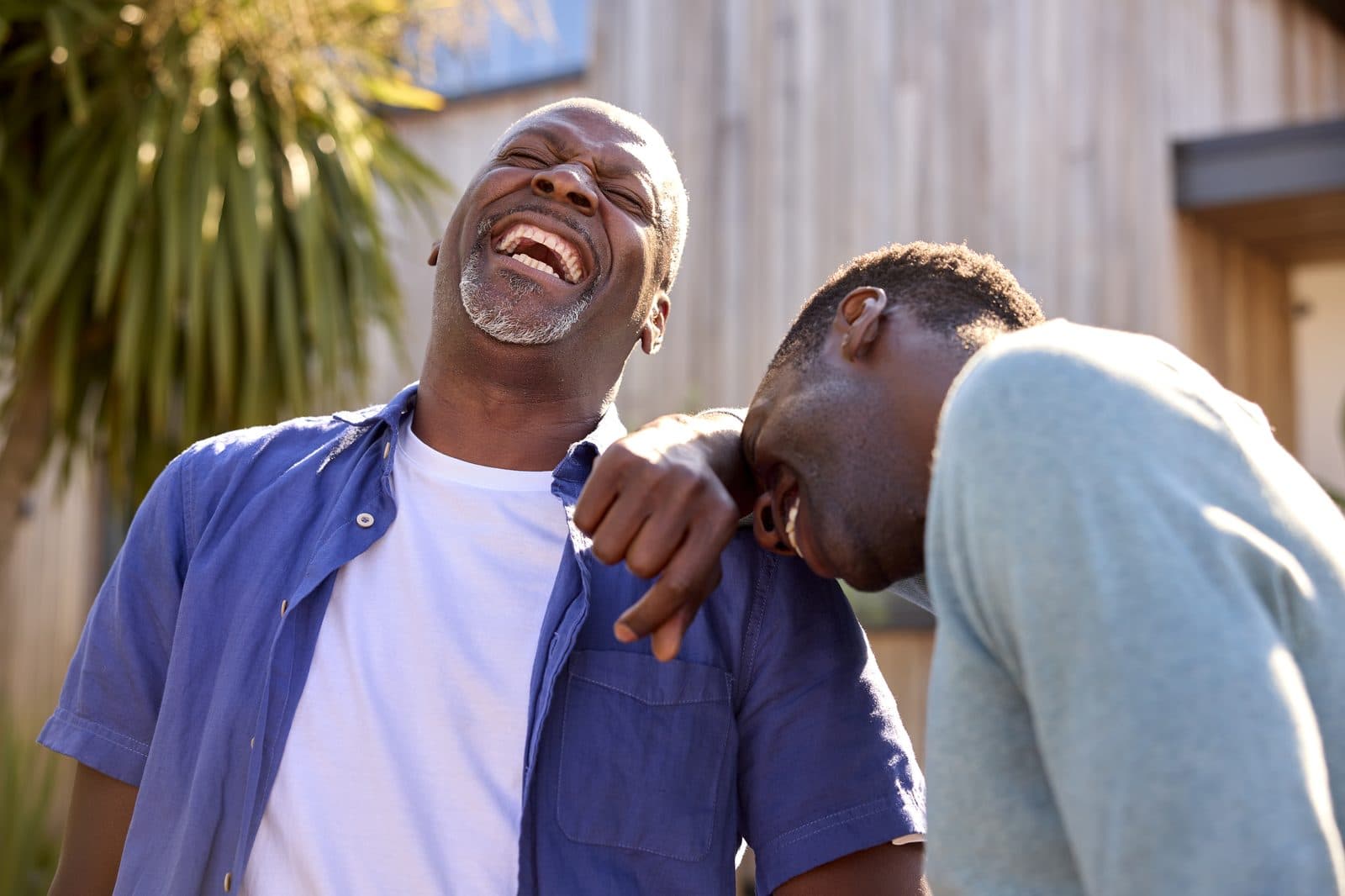
Father's Day Gifts for Stepdads
Father's Day gift ideas for a stepdad — thoughtful, not overstated, and pitched at recognizing a real relationship without forcing a label on it.
See the picks →
Gifts for the BBQ Dad
Real gift ideas for the dad who owns the grill — tools, upgrades, and consumables for the guy who already thinks he has everything he needs.
See the picks →
Canadian-Made Gifts for Dad
Real Canadian-made gifts for dad, verified brand by brand — leather goods, apparel, grooming, coffee, and handmade woodworking, not a directory list of Canadian-owned companies.
See the picks →